Quick Answer: Digital dental impressions use a small intraoral scanner to build a 3D model of your teeth. Traditional putty presses a soft material into a tray to make a physical mould. Published reviews show both methods can be accurate. Neither one is better in every case. The right choice depends on the restoration, the area being recorded and the skill of the person taking it.
If you have ever bitten into a tray of cold, minty putty and waited for it to set, you probably remember it. That experience is why so many patients ask about digital dental impressions, the scanner-based alternative that has spread through dentistry over the past two decades. At East Ridge Family Dental in Owen Sound, patients often ask whether the newer method is better. The honest answer is more interesting than a simple yes or no.
This article explains what changed, what the research actually says, and where each method still makes sense.
What Are Digital Dental Impressions?
A digital impression is a 3D record of your teeth and gums captured with a handheld intraoral scanner. The wand moves around your mouth and takes thousands of images. Software then stitches those images into a detailed model on a screen.
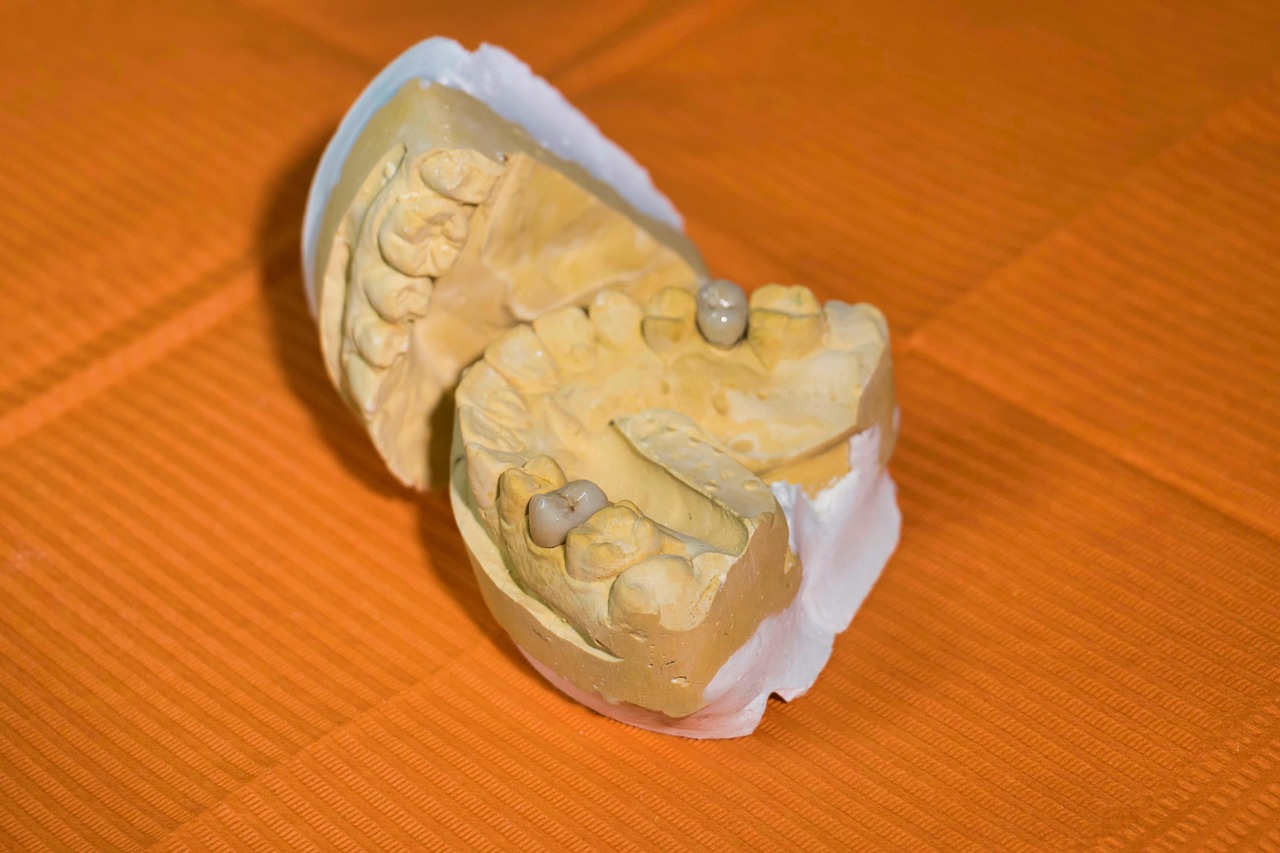
A conventional impression works differently. Your dentist fills a tray with an elastic material, such as alginate or a silicone-based putty. You bite down, the material sets in a few minutes, and the result is a physical negative of your teeth. A lab then pours stone into that mould to make a model.
Both records serve the same purpose. Specifically, they let a lab or a dentist design a restoration or appliance that fits your mouth closely. According to the Ontario Dental Association, procedures such as crowns, bridges and dentures are among the most common treatments in Ontario dental offices. Each of them depends on an accurate impression.
Are Digital Scanners More Accurate Than Putty?
Not always. In many situations, digital and conventional impressions perform at a comparable level. However, the gap depends heavily on the type of case.
Researchers have studied this question closely, especially for complex cases. For example, a 2024 systematic review and meta-analysis in the Journal of Clinical Medicine compared digital and conventional impressions in clinical full-arch situations. The authors judged accuracy by how well the finished prostheses fit. Notably, they also proposed a standard way to measure accuracy, because earlier studies used inconsistent methods.
That detail matters. Consequently, when you read a headline claiming one method “wins,” it is worth asking how the study measured success. Full-arch cases, where a scanner must stitch images across the whole jaw, remain the most demanding test for digital tools.
The Operator Still Matters
A scanner is only as good as the hands guiding it. A 2023 review in the Journal of Prosthodontics examined the factors that can reduce the accuracy of intraoral implant scans. It grouped them into operator-related and patient-related factors. In other words, scanning technique, saliva, limited mouth opening and similar variables all influence the result.
Putty has its own weak points as well. Air bubbles, tears in the material and movement before it sets can all distort a mould. Additionally, stone models can change slightly during shipping and pouring. Neither method is error-proof, so careful technique counts with both.
How Digital Dental Impressions Feel Compared With Putty
Many patients find scanning easier to tolerate. There is no large tray and no setting time with material pressed against the palate. As a result, people with a strong gag reflex often prefer it.
Scanning still takes some patience, though. The wand needs to reach back teeth, and you may need to hold your mouth open for several minutes. Furthermore, a dentist can rescan one small area if a gap appears, instead of repeating the whole impression.
For patients who feel anxious about any dental visit, comfort goes beyond the impression itself. East Ridge Family Dental offers nitrous oxide and IV sedation for people who need extra support. Our team regularly accommodates anxious patients and those who need trauma-informed care.
Which Treatments Depend on a Good Impression?
Many everyday treatments begin with an impression, whether digital or conventional. At our Owen Sound office, these include:
- Crowns and bridges that restore damaged or missing teeth
- Inlays, onlays and veneers
- Complete and partial dentures, plus implant-supported dentures
- Night guards for bruxism and orthodontic retainers
- Clear aligners and dental implant restorations
Each of these needs a precise fit. For instance, a crown with a poor margin can trap plaque and raise the risk of decay. Similarly, a night guard that rocks on the teeth will not protect them well. Therefore, the quality of the impression has a direct effect on long-term oral health.
Should You Ask for Digital Dental Impressions in Owen Sound?
You can always ask which method your dentist plans to use and why. A good dentist will explain the choice in plain language. Ultimately, the goal is an accurate record for your specific treatment, not a particular piece of equipment.
Here are a few useful questions to bring to your appointment:
- Which impression method will you use for my treatment?
- Does my case involve the full arch or just one or two teeth?
- What happens if the impression needs to be retaken?
Meanwhile, the developments in this area are real and well studied. Digital tools have changed how many offices record teeth. Yet putty has not disappeared, and the research supports both methods when they are done carefully.
Plan Your Restorative Care in Owen Sound
If you need a crown, bridge, denture, night guard or orthodontic appliance, our dental team will walk you through every step, including the impression. East Ridge Family Dental is located at 695 9th Ave E in Owen Sound. We also accept the Canadian Dental Care Plan. Contact our office to book a consultation and get clear answers about your treatment.
Frequently Asked Questions
Do digital impressions hurt?
No. The scanner wand simply moves over your teeth and gums. Some patients notice mild jaw fatigue from keeping their mouth open, but the process is not painful.
Is putty still used in modern dentistry?
Yes. Conventional impression materials remain well established and accurate when handled carefully. Many dentists still use them for certain restorations and appliances.
Are digital impressions better for people with a strong gag reflex?
Often, yes. Scanning avoids a full tray of material resting against the palate. Consequently, many patients with a sensitive gag reflex find it easier to tolerate.
Does the impression method change how well my crown fits?
Both methods can produce well-fitting crowns. Accuracy depends more on technique, the case and lab work than on the method alone.
Sources & References
- Ontario Dental Association: Common Dental Procedures
- Accuracy of Full-Arch Intraoral Scans Versus Conventional Impression: A Systematic Review with a Meta-Analysis (J Clin Med, 2024)
- Intraoral Digital Implant Scans: Parameters to Improve Accuracy (J Prosthodont, 2023)